
Georgetown, South Carolina — Where Water Remembers Everything
Georgetown, South Carolina doesn’t really announce itself.
You roll into it along the coast between Charleston and Myrtle Beach and, at first, it just feels like another low country town holding onto the water. Quiet streets. A working waterfront. A place you might pass through without realizing you’ve already crossed several centuries to get here.
But that’s the thing about places like this—they don’t give you a clean first impression. They give you layers.
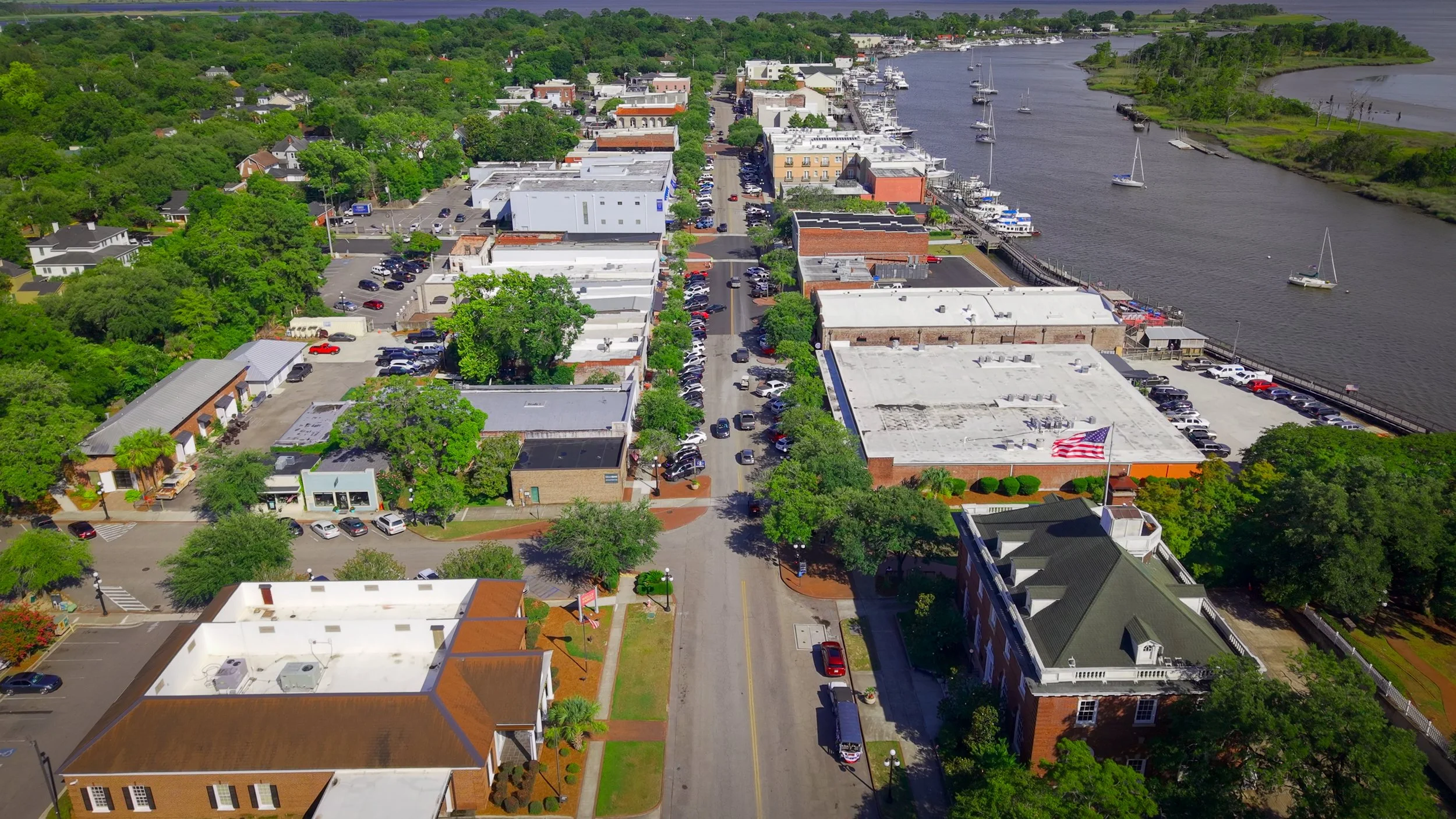
Georgetown has been rebuilt on top of itself more than once.
Indigo. Rice. Lumber. Paper. Steel.
Different eras, different economies, different versions of the same place. Nothing ever really disappears here. It just gets repurposed. Rewritten. Built over. And if you spend enough time here, you start to feel that weight—not as history in a textbook sense, but as something still present in the ground and the water.
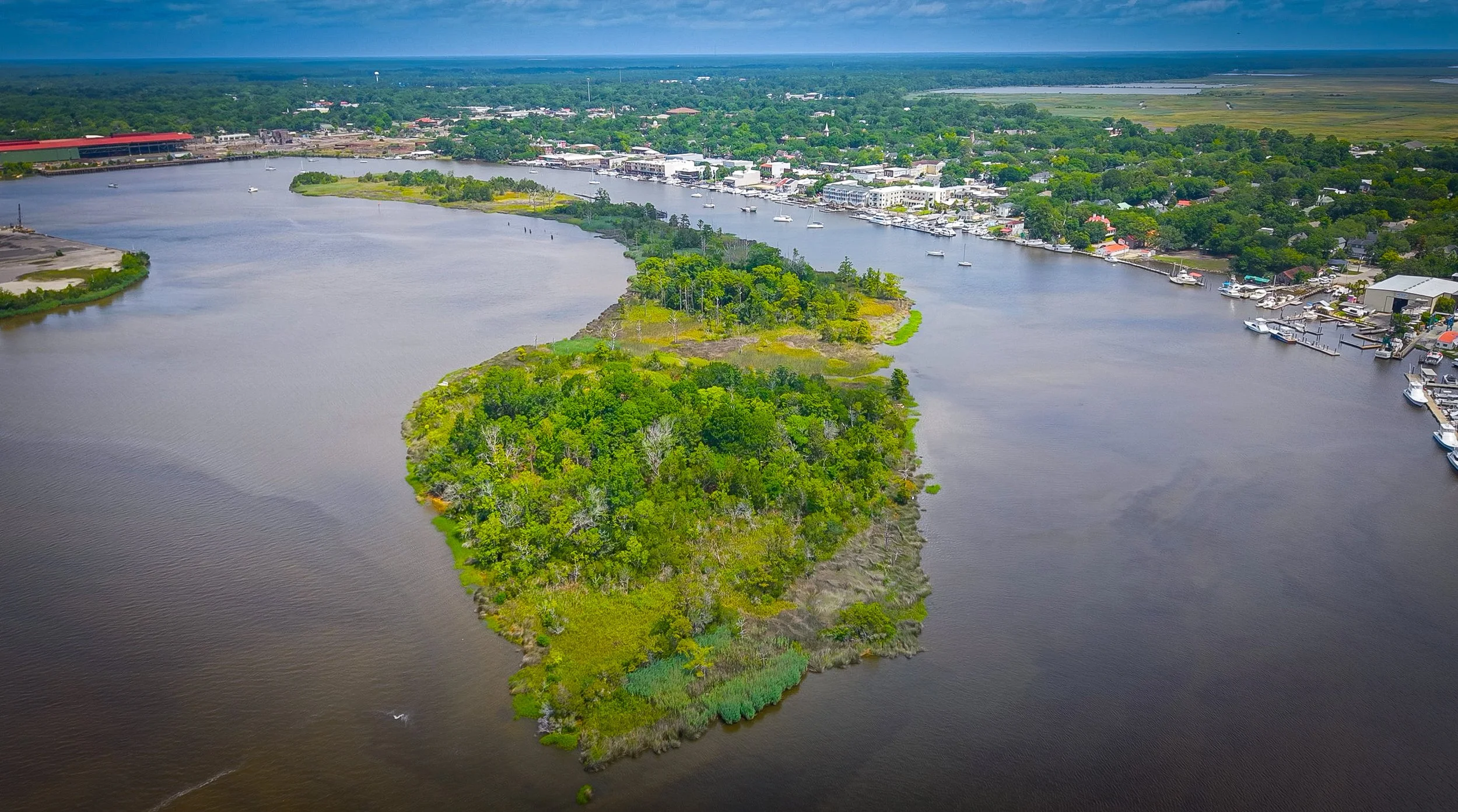
It’s not a clean town. And that’s what makes it interesting.
Georgetown gives you contrasts instead of explanations. Industry and stillness. Beauty and decay. A working harbor a few steps away from quiet streets where nothing seems to be moving at all. It doesn’t smooth itself out for you. It doesn’t try to resolve the tension.
The river runs through all of it like a memory that never fully fades.
Everything here has moved through that water at some point—goods, labor, entire economies built and unbuilt on its tide. Even the old rice culture that once defined this region wasn’t just farming. It was an engineered relationship between land, water, and human effort that’s hard to fully comprehend when you’re standing here in the present, looking at how quiet it all feels now.
What stays with you isn’t any single landmark.
It’s the accumulation.
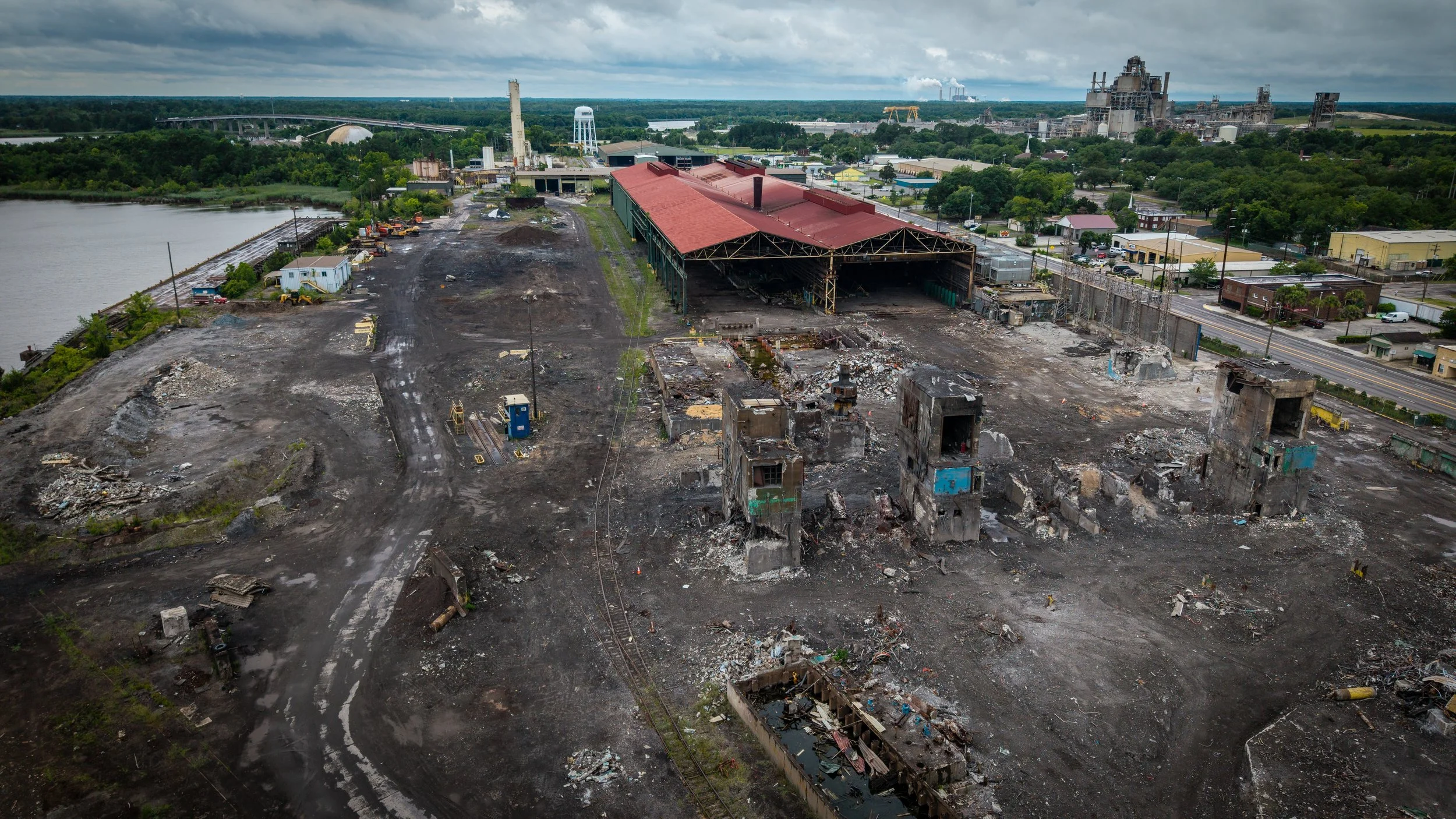
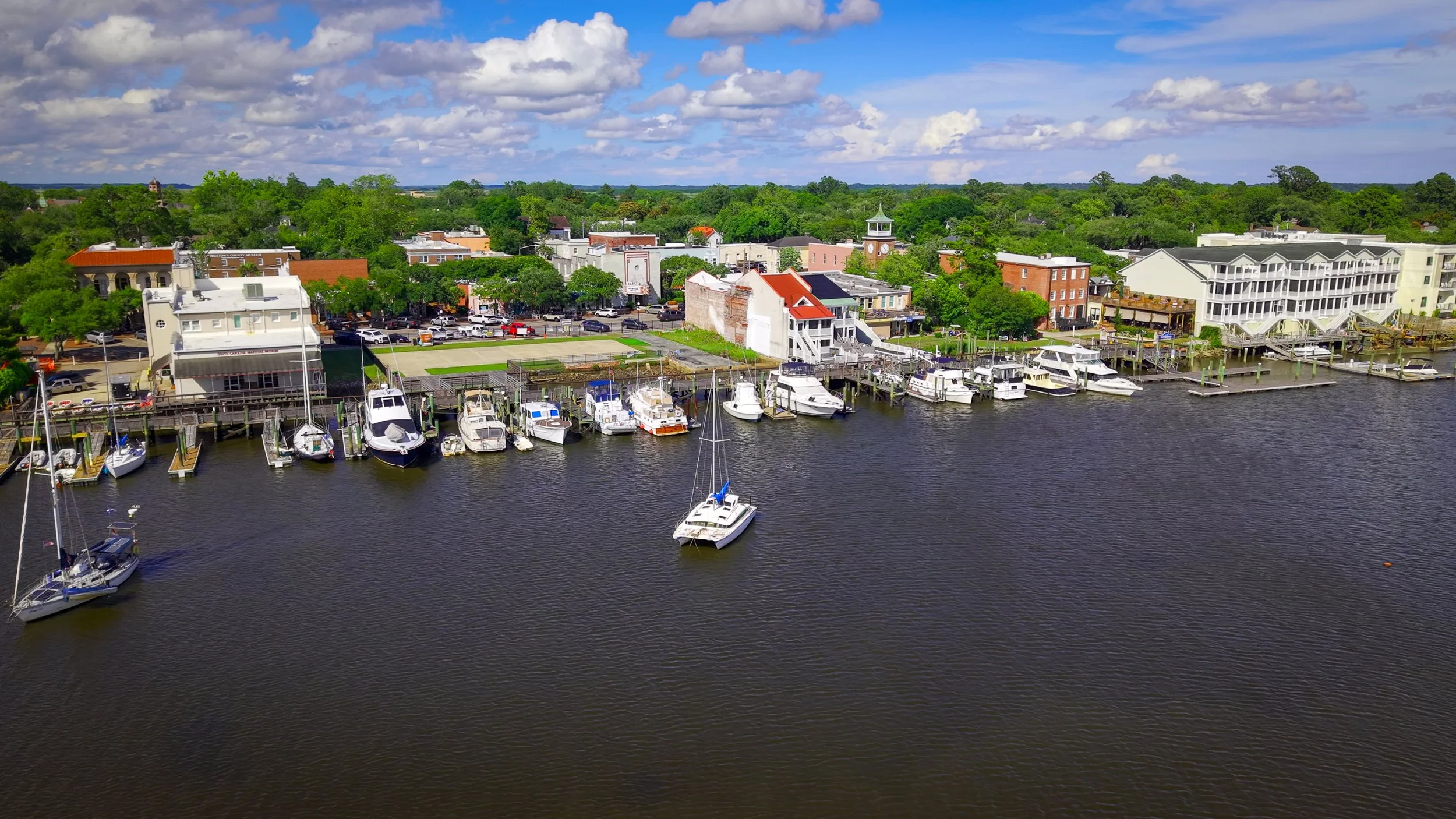
You feel it in the stillness over the marsh. In the working docks that don’t pretend to be anything other than what they are. In the water itself, moving like it’s still carrying conversations that started long before you showed up.
And then there was a moment that had nothing to do with history at all.
Kids learning to sail.
Small boats out in open water. Wind doing exactly what it wants, indifferent to everything happening below it.
You watch that long enough and it stops being a scene and starts becoming a reminder. Nobody starts in control. You drift. You correct. You get it wrong. You try again. The water doesn’t respond to intention—it responds to time in it.
You don’t figure it out from the shore.
You figure it out by staying out there long enough to stop fighting it.
And that, in a quiet way, is what Georgetown feels like too.
Not one story. Not one version of itself.
Just layers of time, still visible if you’re paying attention.
The video version of this story goes a little deeper.
There’s only so much a few paragraphs can carry. In the film, you’ll see Georgetown from the air, from the water’s edge, and through the strange contrasts that make the place hard to simplify.
Check my YouTube Channel for the Story!