Stories of Place
Films about history, culture, memory, and the people who shape the places we call home.Films about history, culture, memory, and the people who shape the places we call home.
Beaufort, South Carolina
Beauty, Memory, and the Stories Beneath the Surface
Some places are easy to visit.
Others ask us to slow down, look closer, and listen.
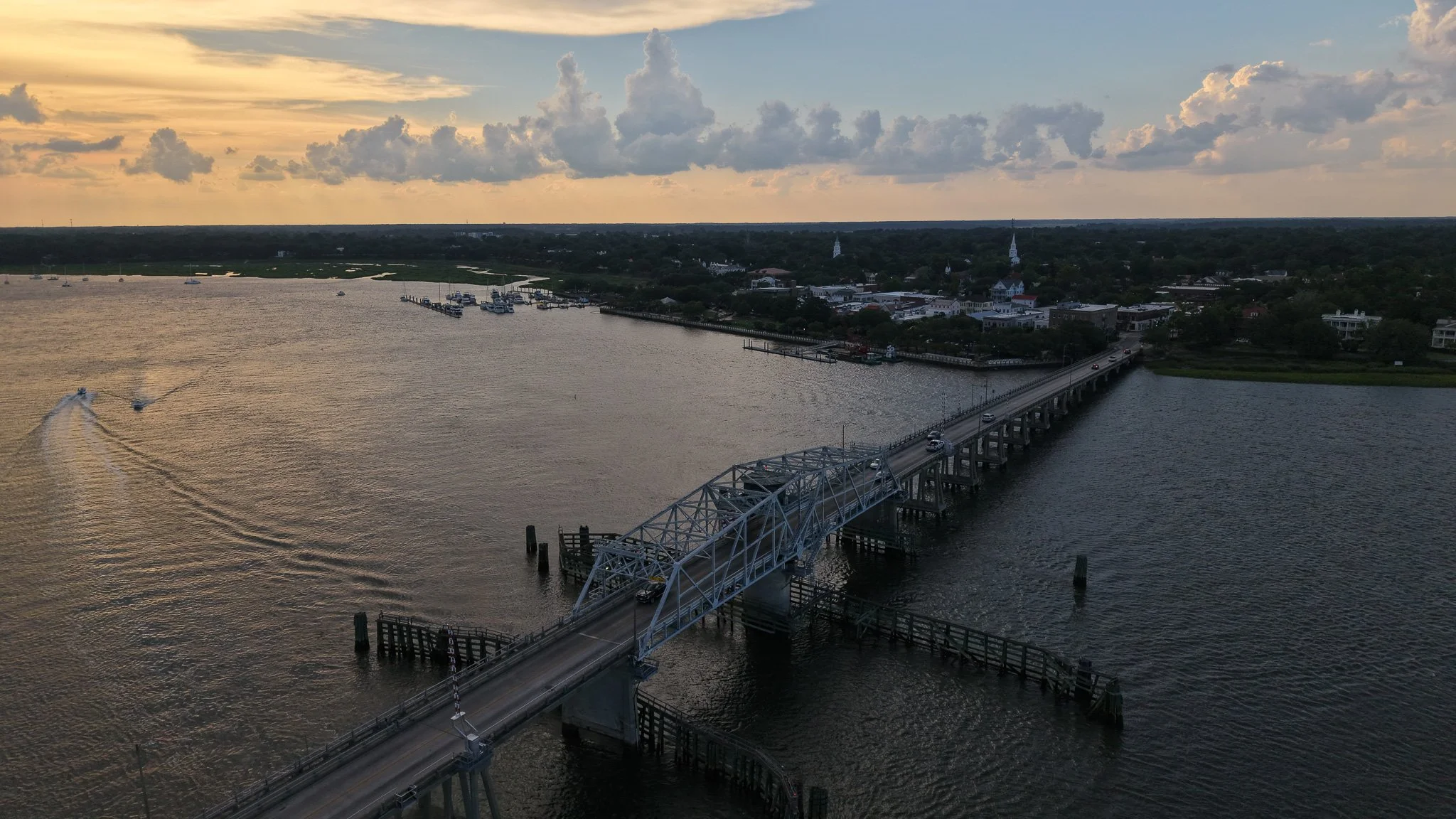
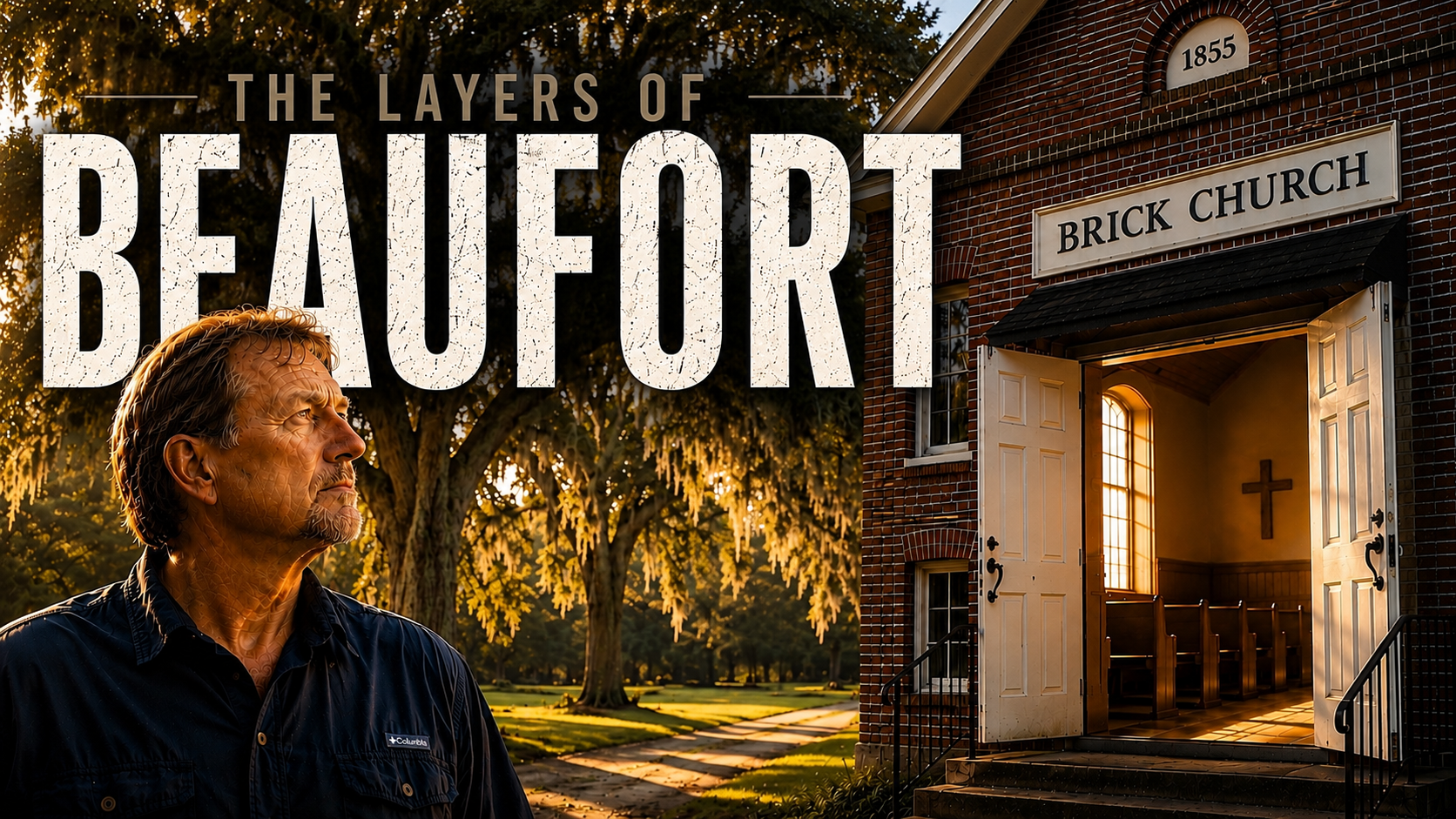
Beaufort, South Carolina, is one of America’s most historic coastal towns—a place where waterfront beauty, Gullah Geechee culture, Civil War history, Reconstruction, Penn Center, Pat Conroy, historic churches, and generations of Lowcountry families come together.
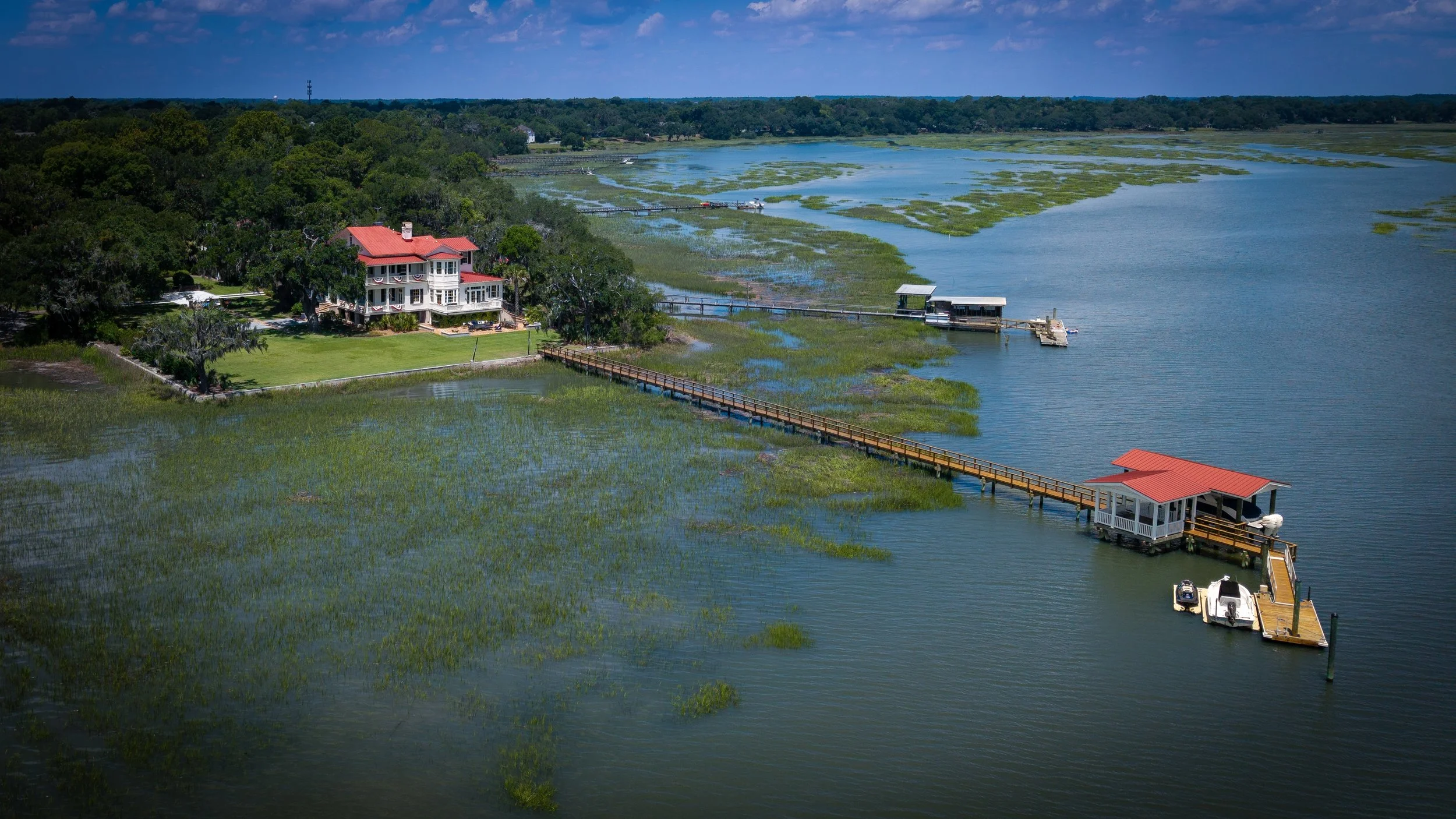
At first glance, Beaufort offers the familiar promise of the South Carolina coast: live oaks, quiet streets, historic homes, church steeples, tidal rivers, and sunlight moving across the marsh.
But beauty is only part of the story.
Beneath the picture we admire are deeper layers—stories of faith, resilience, creativity, hardship, slavery, emancipation, and generations of people whose lives shaped the Lowcountry.
This documentary is an attempt to explore those layers honestly.
Not to arrive at simple answers.
Not to judge the past from a comfortable distance.
But to slow down, listen, and better understand the forces that created the Beaufort we see today.
[Embed the Beaufort film here]
The Story Behind the Film
I came to Beaufort knowing it was beautiful.
I knew about the historic homes, the waterfront, the Sea Islands, and the writers and filmmakers who had found inspiration here.
What I discovered was a place carrying far more than its appearance suggests.
Beaufort’s history is inseparable from the labor of enslaved people who built and sustained much of the wealth of the region. It is also inseparable from the people who emerged from slavery, created families and institutions, acquired land, built churches, pursued education, and helped shape a new social order after emancipation.
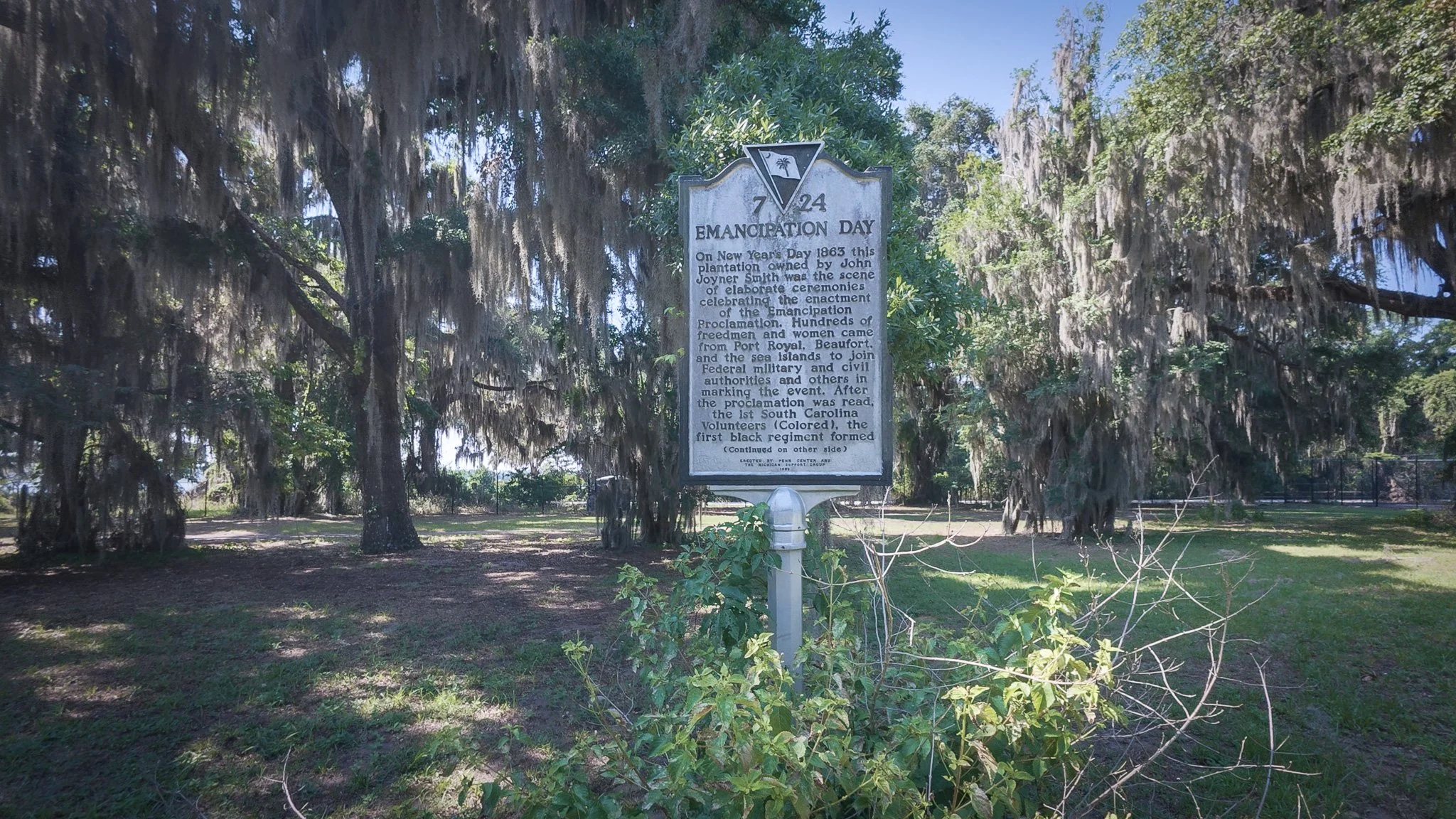
During the Civil War, Union forces captured nearby Port Royal. Many white plantation owners fled, leaving behind homes, land, and thousands of enslaved people.
What followed became known as the Port Royal Experiment—an early and imperfect attempt to answer one of the largest questions facing the nation:
What would freedom actually mean?
Freedom arrived, but equality did not.
The structures of slavery did not simply vanish. They changed form. Formerly enslaved people continued to face violence, economic exploitation, political resistance, and attempts to erase or diminish their place in the national story.
And yet they built.
They created schools, churches, communities, businesses, and institutions that remain part of the Lowcountry today.
That history is not separate from Beaufort’s beauty.
It is part of it.
The Picture We Admire
Historic towns often present themselves through architecture.
We admire the porches, columns, gardens, churches, and homes. We photograph them. We imagine the lives that unfolded inside.
But architecture does not tell us everything.
A beautiful building can represent craftsmanship, ambition, family, and community. It can also represent wealth produced through human bondage.
Both things can be true.
The challenge is not to stop admiring beauty.
The challenge is to understand its cost.
That tension became one of the central questions of this film:
How do we appreciate a place without looking away from the history that made it possible?
Penn Center and the Meaning of Freedom
One of the most important places in this story is Penn Center on Saint Helena Island.
Founded during the Civil War as the Penn School, it became one of the first schools in the South created for formerly enslaved people.
Its story reaches far beyond education.
Penn Center became a place of Black landownership, cultural preservation, political organization, and community life. During the Civil Rights Movement, it also provided a safe meeting place for Dr. Martin Luther King Jr. and other leaders when few locations in the South would welcome them.
Today, Penn Center remains a keeper of memory.
It preserves the history of the Gullah Geechee people and the generations who fought to define freedom on their own terms.
Learn more about Penn Center:
The Keepers of Memory
History survives because people choose to carry it.
It survives through churches, family stories, photographs, cemeteries, songs, traditions, archives, museums, and the people willing to stand in a place and say:
This happened here.
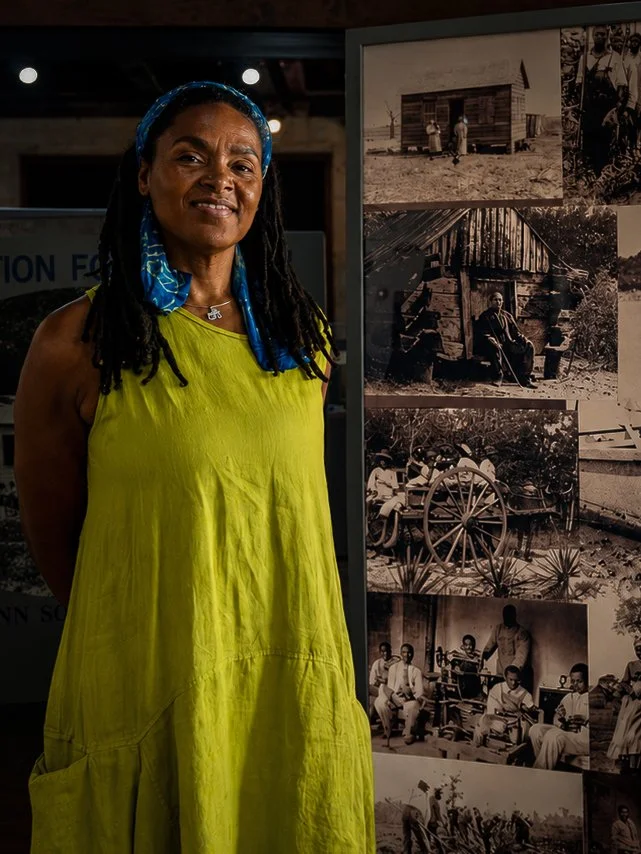
During this journey, I became increasingly interested in the people and institutions preserving Beaufort’s deeper history.
They are not simply protecting old buildings.
They are protecting memory.
And memory is rarely neutral.
What a community remembers—and what it chooses to forget—shapes how it understands itself.
That is why these places matter.
They give us the opportunity to see history not as something finished, but as something still occupying the present.
Why I Tell These Stories
Pat Conroy, one of Beaufort’s most celebrated storytellers, once wrote:
“My wound is geography. It is also my anchorage, my port of call.”
Those words capture something I believe about places like Beaufort.
Geography is more than a location on a map.
The places we come from—and the places we encounter—shape who we are, what we remember, and the stories we carry with us.
The history of the Lowcountry is beautiful, complicated, and deeply human.
It is a story of faith, creativity, endurance, and perseverance.
It is also a story that cannot be fully understood without acknowledging slavery, the lives of enslaved people who were forced to build and sustain much of this region, and the generations of formerly enslaved people and their descendants who continued shaping these communities long after emancipation.
My goal is not to pretend that I have all the answers.
My goal is to understand what happened, listen to the stories that remain, and share the people, places, and events I encounter along the way.
Some stories are joyful.
Some are painful.
Many are both.
The more we understand the experiences of those who came before us, the better we understand the places we visit—and perhaps ourselves.
Supporting the Historic Brick Church
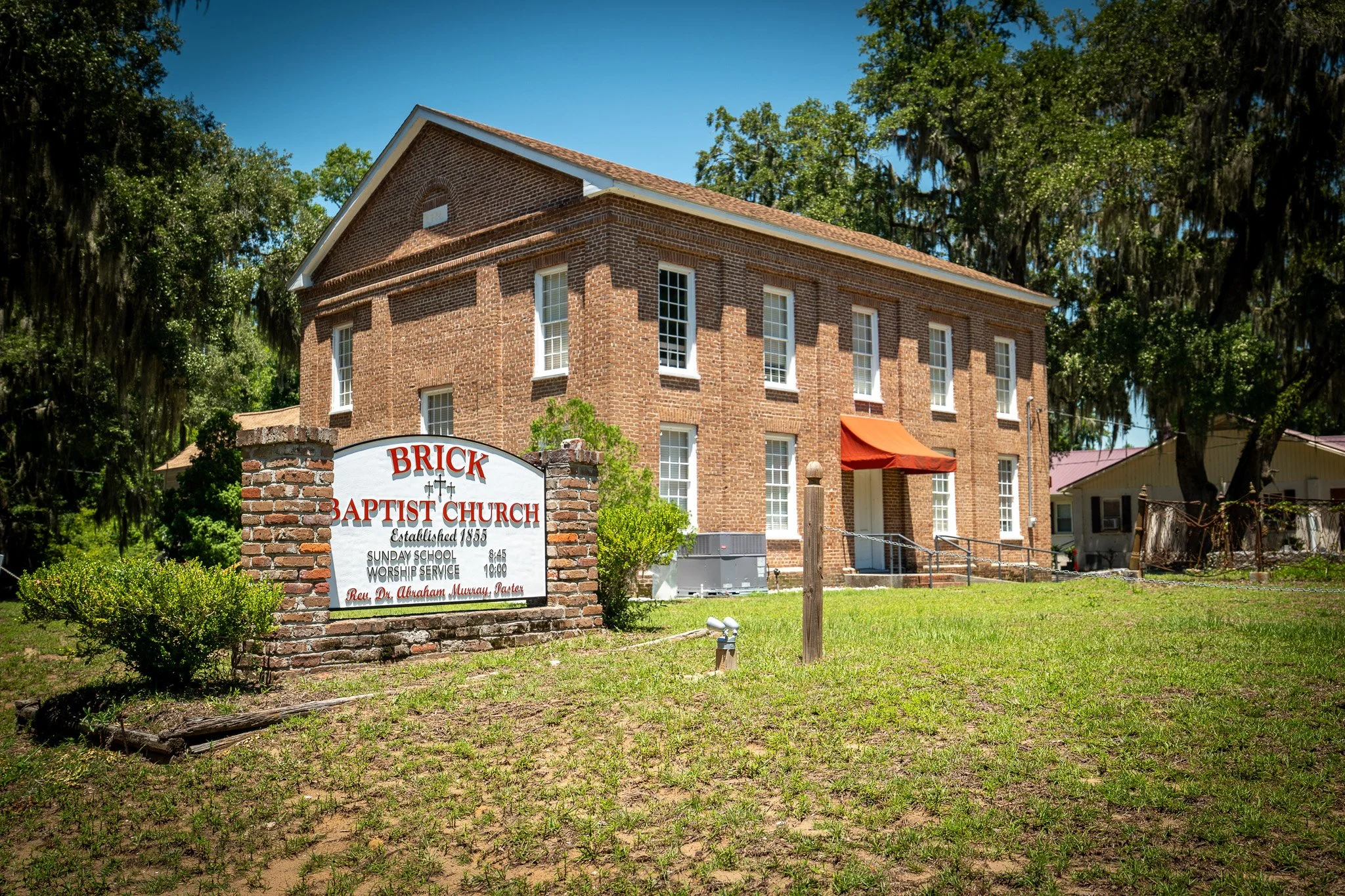
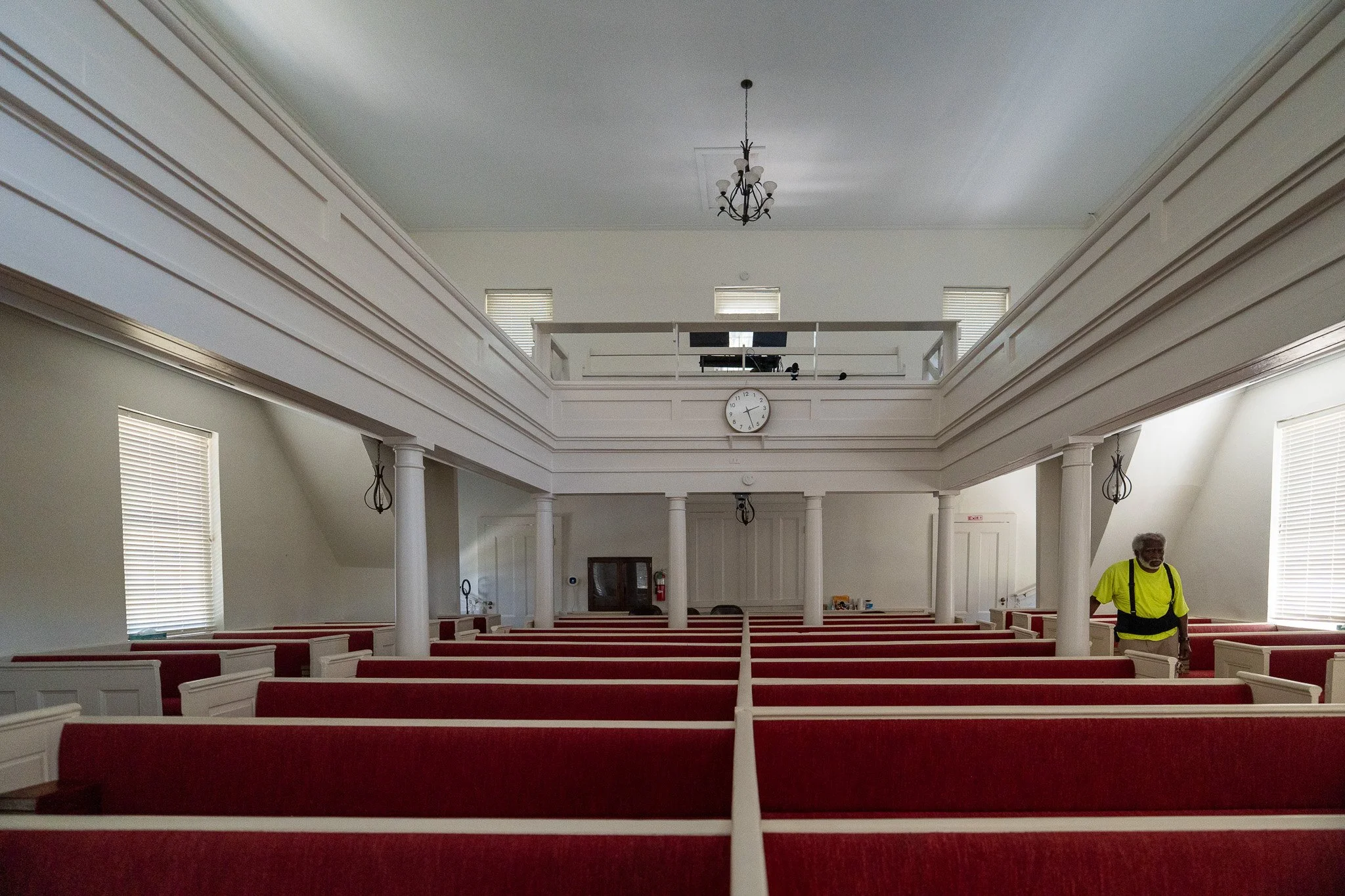
During my visit to the historic Brick Baptist Church on Saint Helena Island, I learned that the congregation is working to raise funds for a new fellowship hall.
This is not simply a construction project.
It is an effort to provide a living community with a place to continue gathering, serving, celebrating, grieving, teaching, and creating memories for future generations.
Historic places are not just monuments to the past.
They remain part of the lives of people today.
Those who would like to support the fellowship hall project can learn more here:
Chapters
0:00 — Looking for Answers 0:30 — The Beautiful Promise 2:18 — The Picture We Admire 4:32 — The Cost of Beauty 5:28 — When Everything Changed 7:35 — An Experiment Called Freedom 8:24 — What Freedom Couldn’t Change 10:14 — Unlocking the Door 12:23 — A Place Called Penn Center 13:32 — Let Freedom Ring17:02 — The Keepers of Memory 20:02 — The Anchorage 23:02 — Places Occupying the Present 24:02 — Every Place Has a Story
Behind the Film
Every film on Adventures with Duncan is created from the ground up by one person.
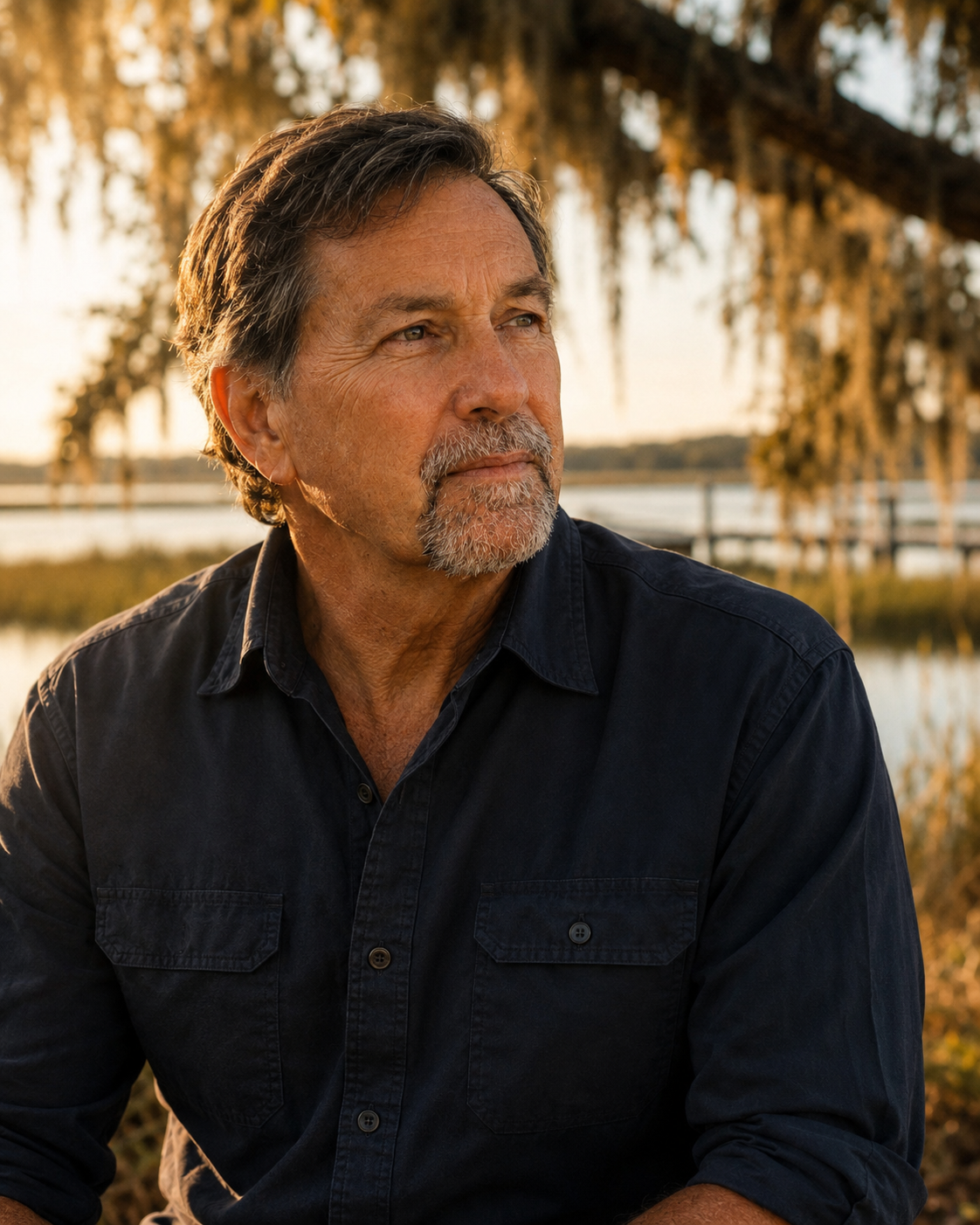
I am the writer, producer, camera operator, drone pilot, editor, researcher, narrator, and the person who eventually has to step in front of the camera and become part of the story.
That last part has been one of the biggest challenges—and one of the most rewarding.
Being on camera means stepping outside my comfort zone. It means accepting imperfections and sharing not only the places I visit, but the experience of discovering them.
I do not have formal filmmaking training.
Everything I have learned about storytelling has come through curiosity, practice, and doing the work: traveling, listening, researching, filming, editing, making mistakes, and constantly trying to improve.
Some films begin with a clear idea.
Others reveal themselves slowly.
Beaufort became a more reflective and melancholy piece than I first imagined. The deeper I went, the more I understood that this could not simply be a film about architecture, seafood, waterfront views, or historic charm.
The story demanded more.
It asked me to consider what lies beneath the beauty, whose voices are preserved, whose lives made the place possible, and what responsibility a storyteller has when walking into history that is not his own.
I do not believe a filmmaker has to stand outside the story and pretend to be invisible.
Sometimes the honest approach is to acknowledge the search itself—the uncertainty, the discomfort, the moments of discovery, and the questions that remain unanswered.
That is the kind of storytelling I am trying to create.
About Adventures with Duncan
Adventures with Duncan is devoted to authentic stories about the people, cultures, histories, and places I encounter along the way.
Not only the famous landmarks or postcard images.
I am interested in the traditions, struggles, contradictions, and human connections that give a place its character.
Travel can entertain us.
At its best, it can also change the way we see.
It can push us beyond familiar assumptions and remind us that every town, road, church, landscape, and community carries stories beneath the surface.
My job is to look for them.
Then do my best to tell them honestly.
Those who enjoy these films can support the work by watching, subscribing, sharing, and joining the conversation.
Your comments and perspectives are not simply engagement.
They often become part of the larger dialogue around the story—and sometimes help me see the place differently.
Thank you for coming along for the ride.
Explore Beaufort
View a map of the Beaufort locations featured in the film:
https://www.google.com/maps/d/edit?mid=1_2uH36M-i8Y14I2YLGV837YNapgtwDU&usp=sharing
Visit Penn Center:
Join the Adventures with Duncan YouTube channel:
https://www.youtube.com/channel/UC-5sfii7IAQYK7s25BrRWYw/join
Closing Line
Every place has a story.
The question is whether we are willing to slow down long enough to hear it.