Some stories begin with months of research.
This one began with a gravestone.
I was walking through the cemetery at Brick Church on Saint Helena Island, South Carolina, reading names that had long since faded into history. I’ve always found old cemeteries to be places of memory rather than sadness. Every weathered stone marks a life that mattered to someone—a family, a community, perhaps an entire generation.
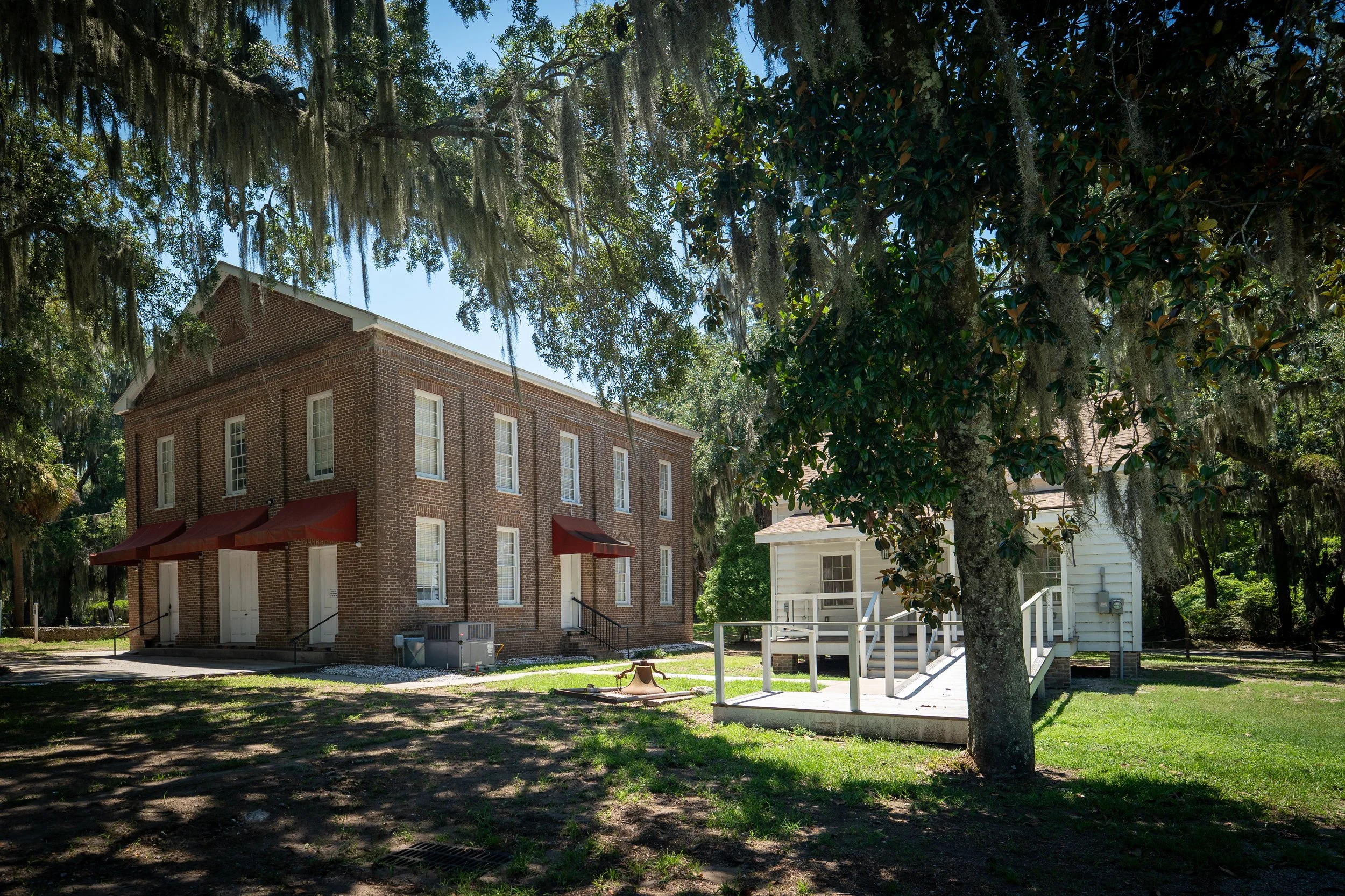
Brick Church itself carries an extraordinary history. Built in the early nineteenth century by enslaved craftsmen, it has witnessed slavery, the Civil War, emancipation, and generations of change on Saint Helena Island. Standing there, it’s impossible not to feel the weight of the past.
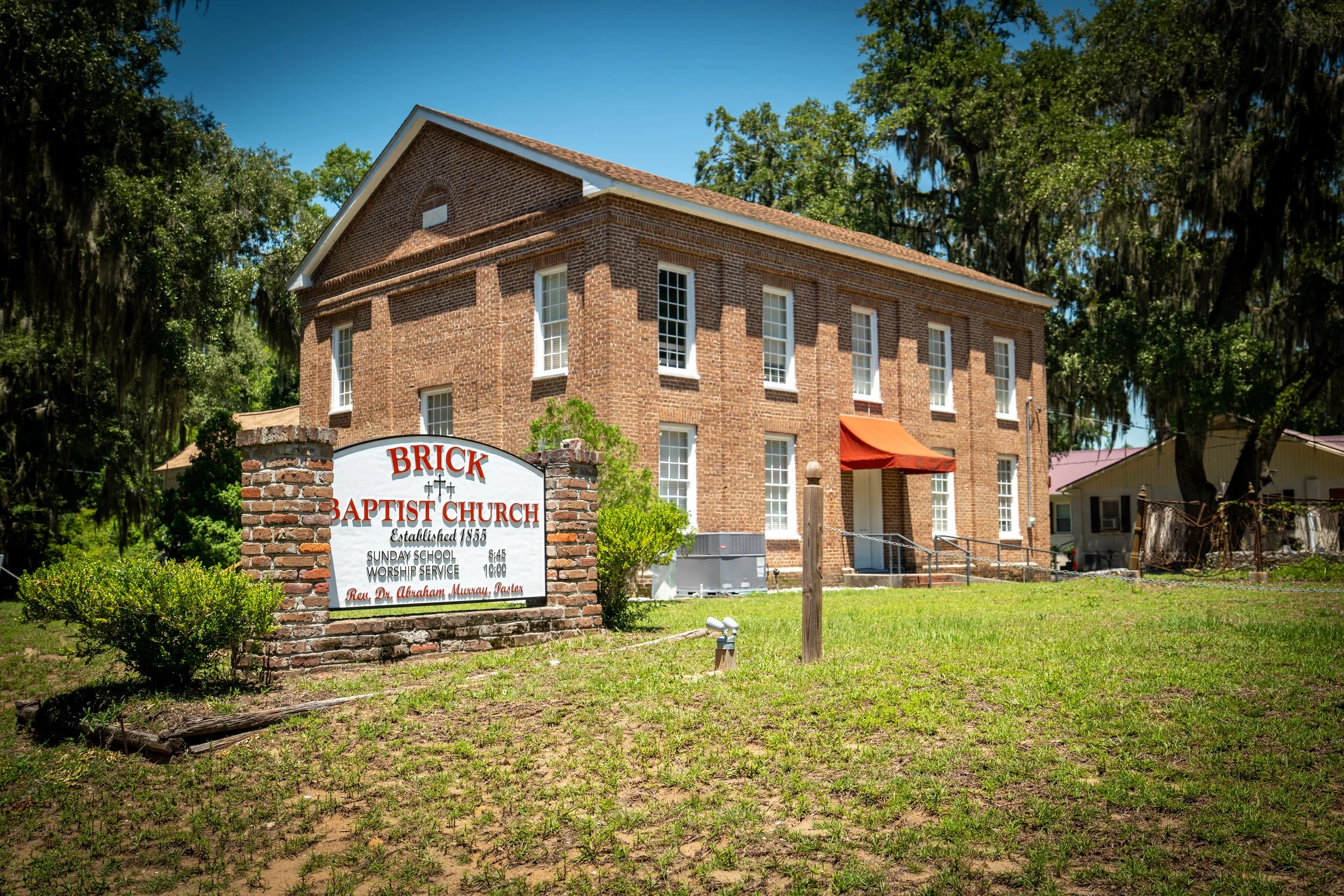
During my visit, I met Johnson, one of the church elders. We spoke for a while, and he generously offered to show me inside the historic sanctuary. It was a quiet reminder that places like this aren’t preserved by history books alone—they’re cared for by people who continue to love them.


Afterward, I wandered back into the cemetery.
That’s when one gravestone stopped me.
The inscription wasn’t in English.
At first glance, I wondered if it might be German. Some of the words looked familiar, but something didn’t quite fit. Looking more closely, I realized it was Norwegian.
The stone belonged to Captain H. T. Olsen of Tvedestrand, Norway.
He died on January 18, 1889.
And suddenly I had far more questions than answers.
How did a Norwegian sea captain end up buried on a small island off the coast of South Carolina? Was his ship passing through nearby waters? Did illness or tragedy bring him here? Did he have family waiting for him thousands of miles away? And after more than 135 years, does anyone in Norway still remember his name?
The mystery became impossible to ignore.
I eventually contacted the municipality of Tvedestrand, hoping someone there might recognize the name or uncover records that could shed light on Captain Olsen’s final voyage. Whether that search ultimately leads to descendants, shipping records, or simply more unanswered questions remains to be seen.
But I’ve come to realize that this story isn’t only about Captain Olsen.
It’s about paying attention.
History isn’t made up exclusively of presidents, generals, or famous landmarks. It’s also found in quiet churchyards, forgotten names, and lives that have slowly slipped from memory. Sometimes the most meaningful discoveries aren’t the ones we set out to find. They’re the ones waiting patiently for someone willing to stop and ask a simple question:
Who were you?
Captain H. T. Olsen may have died far from home, but for a brief moment on Saint Helena Island, his story surfaced again.
And perhaps, after all these years, it isn’t finished yet.